Stage 4 Role Lock: The Earthquake That Reshaped Overwatch League
The 2-2-2 role lock revolutionized Overwatch League, unleashing dynamic strategies, hero diversity, and unpredictable upsets, transforming competitive gameplay.
I still remember the electric buzz in the air when Overwatch League's Stage 4 dropped the 2-2-2 role lock like a tactical nuke on the competitive scene. After three stages drowning in the repetitive tides of the 3-3 GOATS meta, this seismic shift felt like discovering an oasis in an endless desert. The rigid composition requirements—two damage dealers, two tanks, two supports—didn't just tweak the game; it detonated the foundations of professional Overwatch strategy overnight.

The Unpredictable Tsunami
Week one erupted like shaken champagne, spraying unexpected results everywhere. Watching Vancouver Titans and San Francisco Shock dominate felt like seeing chess grandmasters suddenly forced to play Jenga—their adaptability was both terrifying and awe-inspiring. Meanwhile, underdogs rose like phoenixes from ashes:
-
Atlanta Reign torching Hangzhou Spark 3-1
-
Houston Outlaws ambushing LA Gladiators
-
NYXL getting pushed to knife-edge Map 5s
These weren't just upsets; they were tectonic plates grinding beneath the league's surface. The GOATS meta had been like synchronized swimming—impressive coordination but predictable beauty. Role lock transformed matches into whitewater rafting expeditions where every rapid could flip the boat.
DPS Renaissance & Meta Evolution
Suddenly, damage dealers burst from their cages like zoo animals during an earthquake. Watching Haksal's Genji slice through Shanghai Dragons was witnessing a samurai rediscovering his blade after years in storage—each dragonblade felt like poetry written in blood and pixels. The hero diversity exploded like a confetti cannon:
| Common Picks | Surprise Stars | New Meta Combos |
|---|---|---|
| Reaper & Tracer | Junkrat & Pharah | "Ice Fishing" (Mei/Orisa/Roadhog) |
| Widowmaker & McCree | Sombra & Ashe | Double-sniper setups |
| Hanzo & Echo | Symmetra & Bastion | Dive comp revivals |
Casters coined "Ice Fishing" for the chilling Mei-Orisa-Roadhog combos that hooked opponents like glacial anglers snagging salmon. Meanwhile, support players became battlefield conductors, their ultimates now crescendos rather than background harmonies.
People Also Ask
- Why did Overwatch League implement role lock?
The GOATS meta (3 tanks/3 supports) created stale, slow-paced matches. Role lock forced compositional diversity, making games more explosive and viewer-friendly—like replacing a metronome with a jazz ensemble.
- Did role lock balance Overwatch?
Initially chaotic, but it revealed hidden depths. Heroes like Baptiste and Sigma emerged as keystones, while previously ignored damage characters found niches—much like how forest fires renew ecosystems.
- How did pros adapt to 2-2-2?
Teams rebuilt strategies from the ground up. Shock's architect-like ult coordination and Titans' assassin-like precision proved elite squads could turn constraints into springboards.
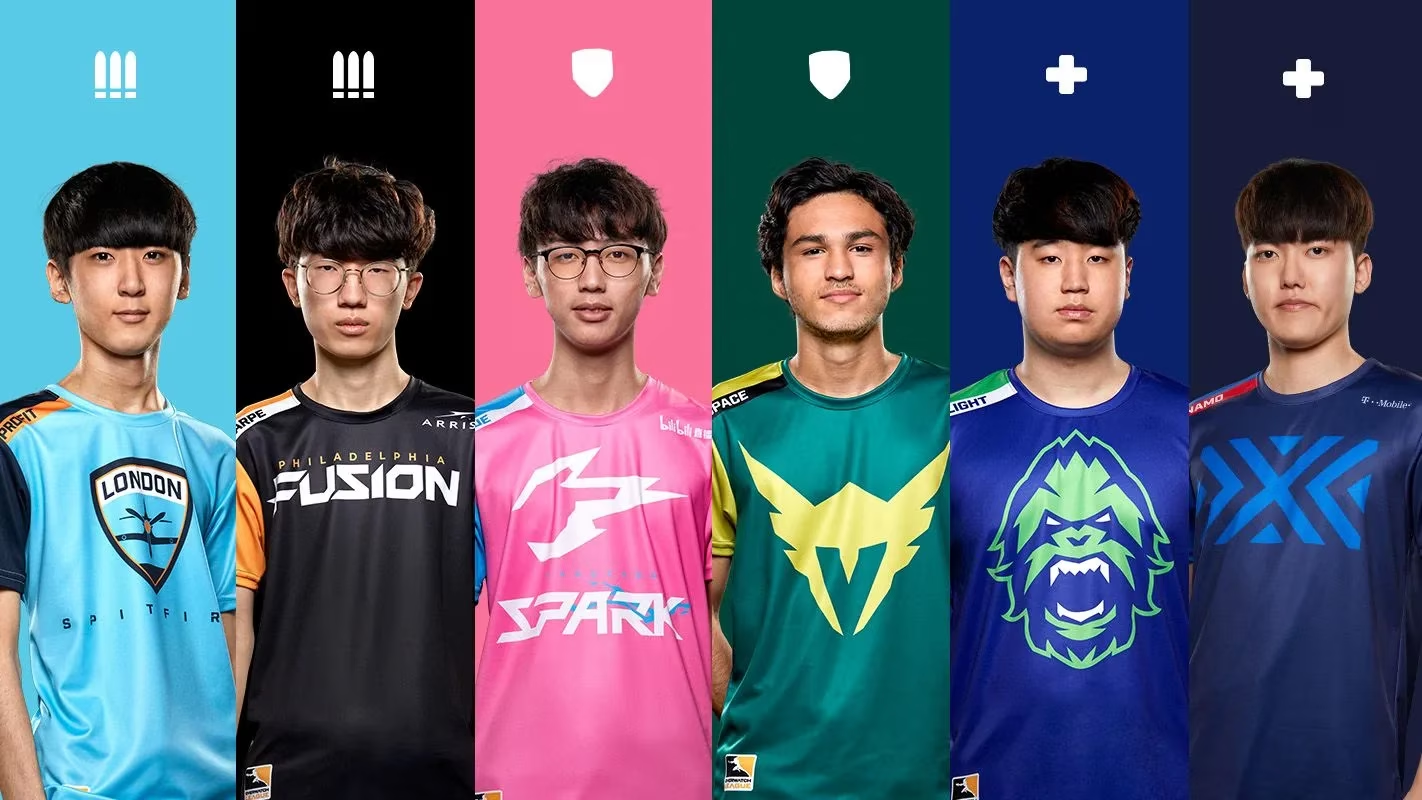
The Butterfly Effect
Reflecting from 2025, Stage 4 was the Big Bang that birthed modern OWL. It proved constraints breed creativity—like forcing painters to use only primary colors yet discovering new hues. That season taught us true competition isn't about finding the "best" composition, but about how artists reinvent their palette when you snap half their brushes.
Now I'm itching to queue up! What revolutionary strategies will YOU pioneer in today's evolved Overwatch? Drop your most unexpected 2-2-2 comp in the comments—let's make the meta tremble again! 🎮💥
Comments