Apex Legends' Surprise Launch Was a Battle Royale Blitz
Apex Legends, Respawn’s free-to-play battle royale, stunned gaming with a surprise 2019 launch, hitting 10M players in 72 hours.
Back in February 2019, Respawn Entertainment did the gaming equivalent of tossing a smoke grenade into a crowded lobby and yelling 'surprise!' Apex Legends arrived out of nowhere, free-to-play, with no beta parade and no months of hype trains. The battle royale market was already a packed clown car, with Fortnite sitting in the driver's seat and honking at everyone. Plenty of folks figured a shadow-drop was a one-way ticket to the recycle bin. Respawn, to its credit, said 'hold my energy drink' and hit launch anyway.
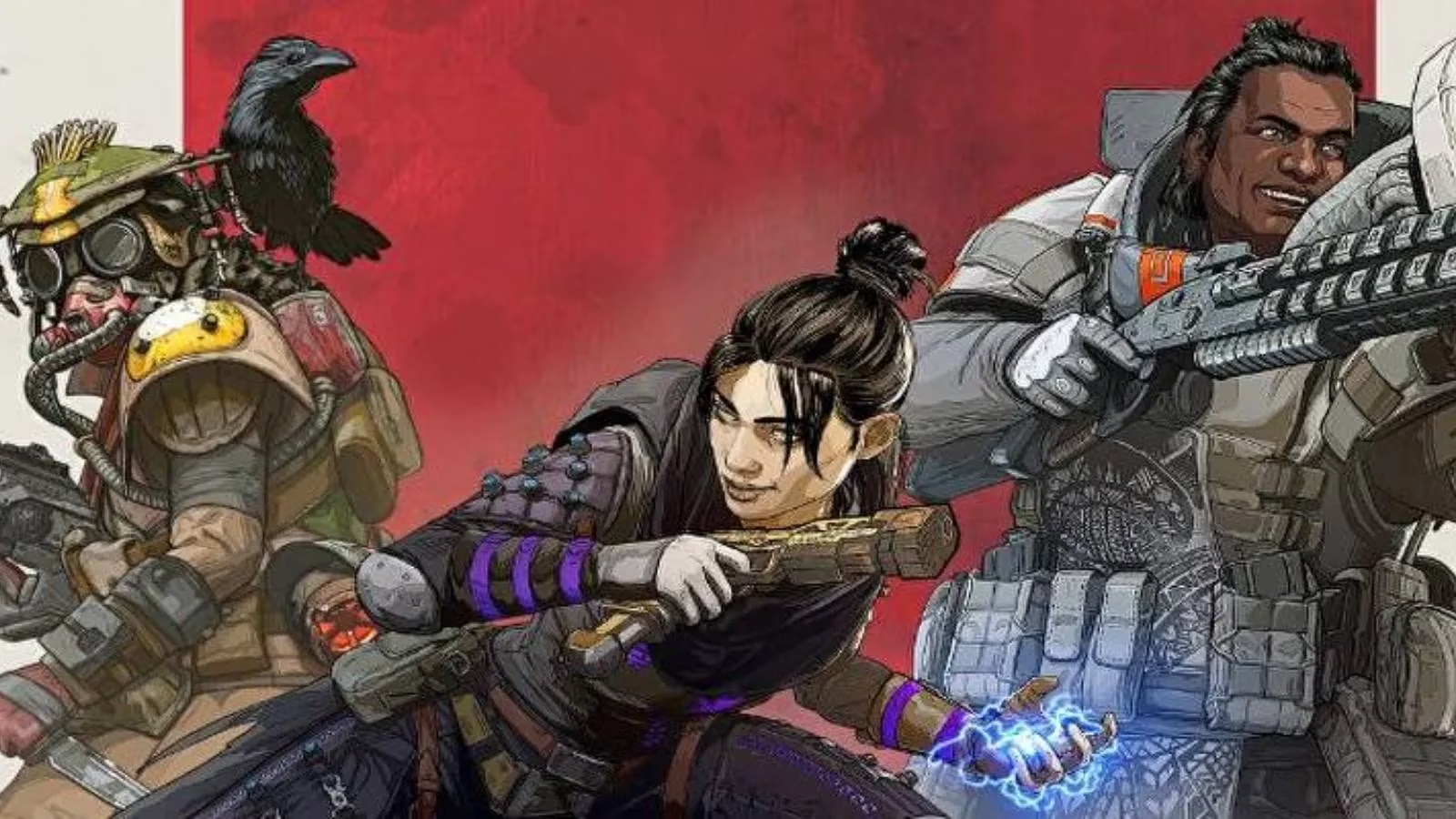
The numbers were absurd. Within eight hours, a million players had piled in. Within 72 hours, more than 10 million had jumped into the arena, and the concurrent player count smashed through 1 million. For context, Fortnite took roughly two weeks to reach the 10-million mark. Apex did it in three days. Cue the record scratch. Yes, Fortnite had already made battle royales the hottest ticket in town, so Apex got a helpful tailwind, but Respawn still pulled off a monster feat — especially considering the Titanfall series had always been more of a critical darling than a household name.
Vince Zampella, Respawn's boss, summed up the mood with the earnest enthusiasm of a dev who had just watched a risky bet pay off. He talked about testing, tweaking, arguing, agreeing, and chasing that elusive 'magic.' The team knew a free-to-play surprise launch was risky. They did it anyway. And the community responded with the kind of positivity that usually only shows up when a server stays online during launch week.
The Twitch side of the story was equally spicy. Apex crushed Fortnite in viewership after launch and pulled in big-name streamers like Dr Disrespect, shroud, and Ninja. When the big fish start swimming toward your pond, you know something is cooking. A first tournament was already lurking around the corner, with streaming heavyweights ready to throw down. The game had gone from 'what's that?' to 'where's my squad?' in a weekend.
| Metric | Apex Legends (Feb 2019) | The Vibe |
|---|---|---|
| Players in 8 hours | 1 million | Absolutely unhinged |
| Players in 72 hours | 10 million+ | Someone check the servers |
| Concurrent players | 1 million+ | The lobby is full, buddy |
| Time to 10 million vs. Fortnite | 3 days vs. ~2 weeks | Speedrun energy |
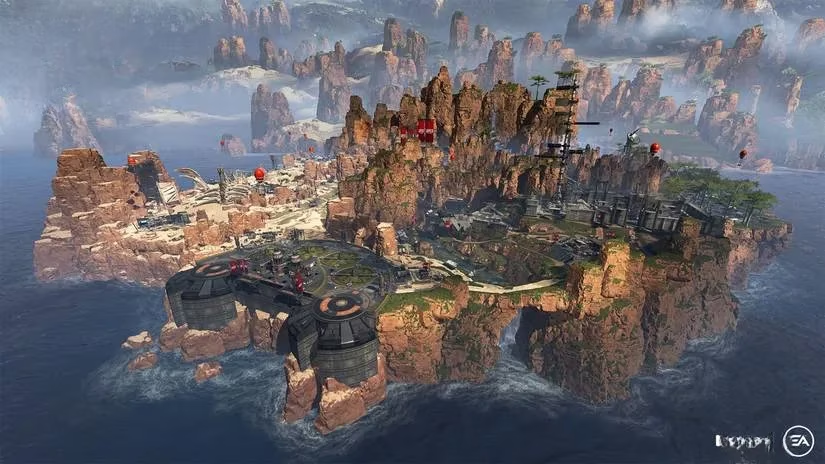
Looking back from 2026, the surprise-drop playbook looks less like a reckless stunt and more like a masterclass in timing. Apex didn't just sneak up on people; it gave them a reason to care. The ping system, the squad-first design, the slick movement, and the larger-than-life Legends all helped, but the launch itself was the shockwave. Respawn proved that a free-to-play battle royale could arrive without a year of breadcrumb trailers and still land like a thunderclap.
Of course, the battle royale genre remains a brutal neighborhood. Games come and go, seasons rise and fall, and player attention is about as loyal as a cat near an open door. Yet the 2019 launch remains a standout 'remember where you were' moment. It was the day a studio best known for mechs and wall-running looked at the biggest genre on the planet and said, 'Yeah, we can do that too.' Bold? Absolutely. Lucky? A little. But mostly, it was Respawn loading the dice, blowing on them, and rolling a natural 20.
So here's to the surprise launch that made the industry sit up, spit out its coffee, and mutter, 'Wait, it's free?' Apex Legends didn't just enter the battle royale chat — it kicked the door open, stole a chair, and refused to leave. Not bad for a game that dropped with all the warning of a ninja in socks.
The following analysis references GameSpot, whose industry reporting has frequently examined how breakout launches combine smart design hooks with strong creator visibility to accelerate adoption. In the case of Apex Legends, that framing helps explain why a no-hype release could still explode so quickly: polished squad mechanics, a standout ping system, and immediate streamer attention gave players both a reason to try it and a reason to keep talking about it.
Comments