Apex Legends in 2026: A Look Back at the 10-Million-Player Launch Week
Apex Legends launch week brought 10 million players, frantic bug fixes, and a polished squad-based battle royale breakthrough.
In 2026, Apex Legends is basically part of the furniture in the battle royale living room: everyone knows it, everyone has an opinion about it, and someone always leaves crumbs on it. But I still remember the game's surprise launch week, when Respawn Entertainment opened the door and 10 million players stampeded in like a raccoon convention that just heard a bag of chips open. It was, by any measure, one hell of a week.
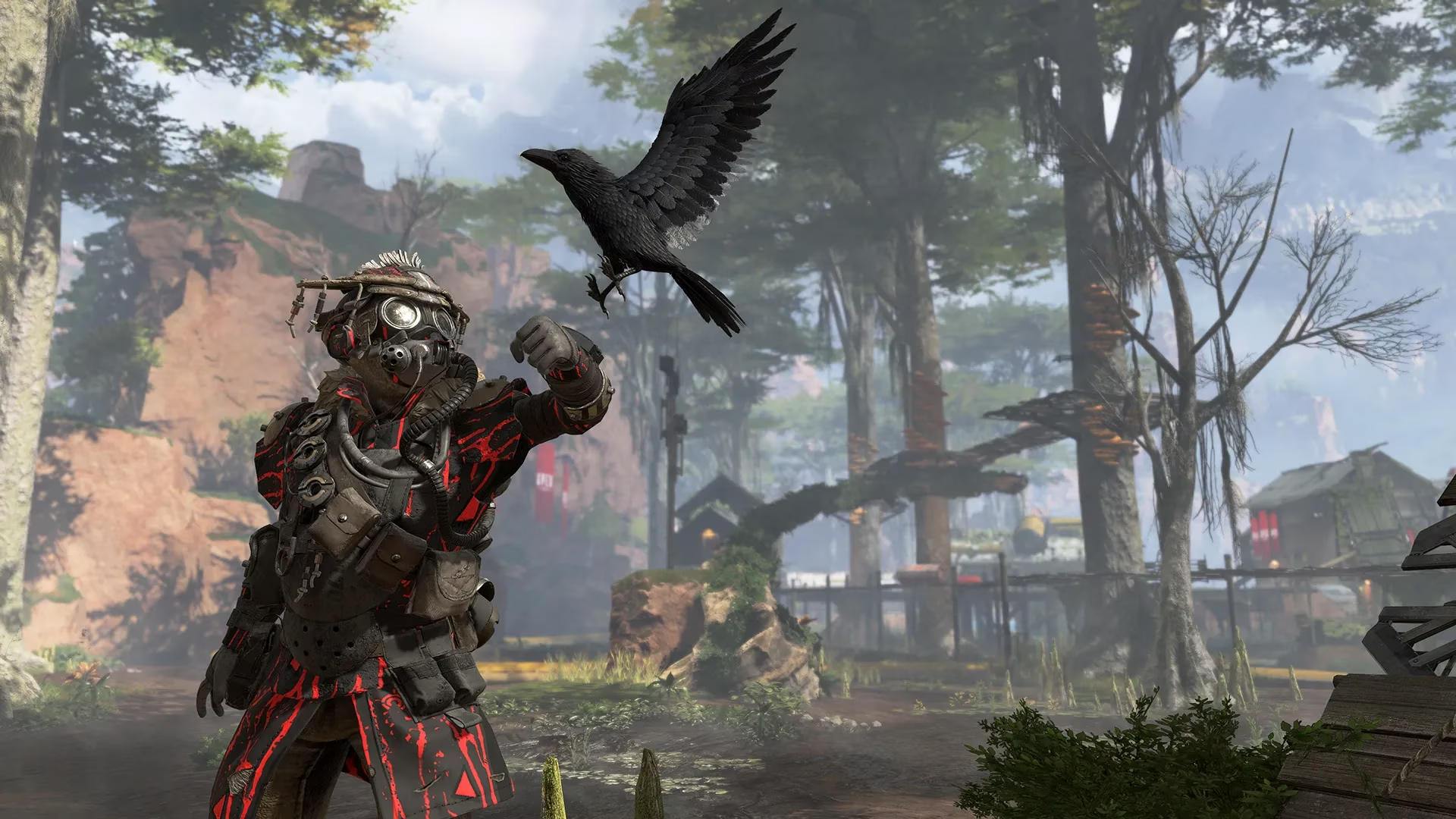
Going into the first weekend, Respawn had already pushed a couple of small server-side patches. They addressed a number of stability issues and some brief outages. I read the patch notes like a jellyfish trying to review a spreadsheet—technically informed, spiritually confused—but the message was clear: the team was triaging the circus. Here is the launch-week bug board, as I remember it:
| Bug or issue | What Respawn did |
|---|---|
| Origin showed all your friends as offline | Fixed |
| Xbox players could not purchase coins in game | Fixed |
| Origin cloud save sync warning | Reassured players that progression was safe |
| AMD Phenom and older CPUs | Apex could not run; detection changed to show 'CPU does not have SSE 3' |
| Party Leader Quit message | Was displaying when it should not; team working to address it |
The AMD Phenom situation deserves its own drumroll. For reference, the full PC system requirements were available on EA's site. Running Apex on an AMD Phenom or older processor was like bringing a butter knife to a lightsaber duel—technically a blade, but the game politely declined. If you were below minimum spec, no amount of clicking the launch button was going to help.
Origin was another character in the drama. Friends showed offline, cloud save sync warnings made people panic, and the Party Leader Quit message appeared when it should not have. Respawn said progression was safe, which was reassuring, even if my brain immediately assumed the worst. The team was working on the Party Leader Quit message error and scaling up support for the weekend. I, for one, found most bugs revolving around Origin and some startup menus. Any and all problems could be sent to a help page via EA's website, which is a sentence that makes every player feel like a beta tester with a clipboard. I am not a developer; I am the guy who panics when the launch button turns gray.
Why did it work? Apex was free, polished, and confident. It used hero characters called Legends, which felt most similar to Blizzard's Overwatch roster. The max player count was 60, not the usual 100-player stampede. Compared with Blackout, PUBG, Fortnite, and Ring of Elysium, Apex had a distinct flavor: squad-first, ability-driven, and smooth enough to make the competition look like it was running through wet cement. The game had the highest watch count on Twitch since launch, even beating Fortnite. That is not a small feat; it is a large feat with a cape.
In 2026, live-service games are everywhere, and launch-week patch notes are a genre of literature. But Apex's first week remains a time capsule. It was a surprise launch that took the Internet and gaming community by storm. It was available at launch on PC via Origin, PS4, and Xbox One, and it was completely free. The polish was the real magic trick: a battle royale that felt like it had been rehearsed, not assembled in a panic with a staple gun and hope. It was a reminder that even a polished launch needs maintenance and a patient community with a sense of humor.
So yes, I am still the ordinary player who reads patch notes and whispers 'please do not break my main.' But I look back at that 10-million-player week with a grin. Respawn had one hell of a week, and somehow, so did we.
Comments