Apex Legends: Gibraltar and Bloodhound Champion LGBTQ+ Representation in Battle Royale
Apex Legends LGBTQ+ representation shines through Gibraltar and Bloodhound, while its diverse roster delivers authentic, inclusive storytelling.
When Respawn Entertainment unleashed Apex Legends onto the world in early 2019, it didn't just smash player count records—it also sparked a conversation about representation in gaming. Within days, over 10 million players had dropped into the game's futuristic arena, drawn by its accessible controls, innovative ping system, and tight gunplay. But soon, another topic emerged from the community: two of the game's characters were quietly, yet powerfully, representing the LGBTQ+ community. The discovery set off a wave of positive discussion that would ripple through the industry for years to come.
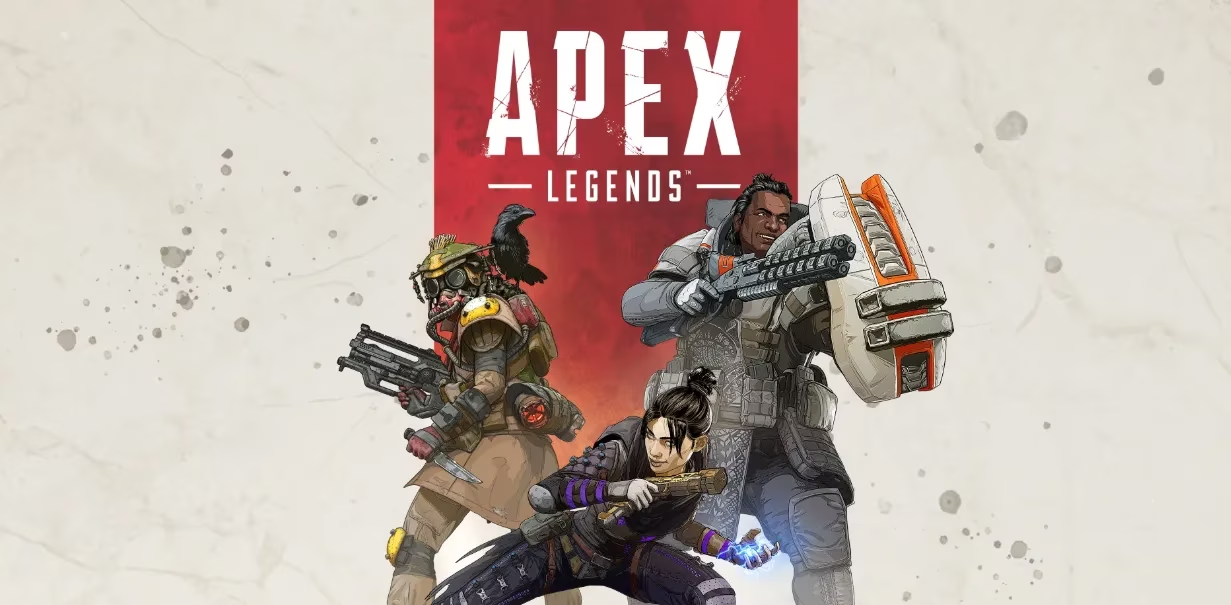
The first character to catch players' attention was Gibraltar, the hulking, armored shield-tank whose imposing physique made him a battlefield guardian. According to his official bio on the EA website, Gibraltar is gay or bisexual. The description reads: "...he only began to understand the value of protecting others when he and his boyfriend stole his father’s motorcycle, took it on a joyride, and got trapped by a deadly mudslide." It was a subtle but unmistakable detail—no fanfare, no marketing spotlight, just a natural part of his backstory that felt refreshingly matter-of-fact.
The second character was Bloodhound, the enigmatic technological tracker whose identity is shrouded in mystery. In an interview with Rock, Paper, Shotgun, Community Manager Jay Frechette confirmed that Bloodhound is "non-binary, or at least non-specified, in terms of gender." The official EA page echoed this ambiguity: "Their identity is a mystery wrapped in layers of rumors." For many players, this was a landmark moment—a mainstream battle royale game featuring a non-binary character without making it a gimmick or a punchline. Bloodhound simply existed, and that was enough.
Social media erupted with support. Twitter users praised Respawn for weaving diversity into the fabric of the game rather than treating it as a checkbox. But the conversation didn't stop at those two characters. Players also highlighted the broader cast: two black women—Lifeline and Bangalore—each with emotionally rich backstories that explored themes of sacrifice, family, and resilience. The roster felt like a genuine cross-section of humanity, not a tokenistic lineup. As one fan put it, "It's not just about ticking boxes; it's about telling stories that feel real."
| Character | Representation | Key Detail |
|---|---|---|
| Gibraltar | Gay or bisexual | His bio mentions a boyfriend and a motorcycle joyride |
| Bloodhound | Non-binary / gender non-specified | Community manager confirmed their identity is deliberately ambiguous |
| Lifeline | Black woman | Combat medic with a focus on saving others |
| Bangalore | Black woman | Military veteran with a fierce loyalty to her brother |
This wasn't an isolated case in the gaming world. Blizzard had recently revealed that Soldier 76 from Overwatch was gay, and other titles were slowly expanding their representation. But Apex Legends stood out because it launched with this diversity baked in from day one. There was no controversy, no apology—just a matter-of-fact inclusion that resonated with millions.
Fast forward to 2026, and Apex Legends remains a dominant force in the battle royale genre, with a constantly evolving roster of legends. The game has introduced numerous characters from marginalized backgrounds over the years, but Gibraltar and Bloodhound remain touchstones for the community. Their presence helped normalize LGBTQ+ representation in a space where it had long been an afterthought. Respawn's approach—treating identity as one facet of a character's story rather than their sole defining trait—has been praised by critics and players alike.
For many, the lesson is simple: representation matters, and it doesn't have to be loud to be impactful. A single line in a bio, a pronoun choice in an interview, or a backstory that includes a same-sex partner can mean the world to players who rarely see themselves reflected in the games they love. Apex Legends didn't just set a new standard for battle royale gameplay—it also showed that a diverse cast can be a natural, celebrated part of a blockbuster title. 🏳️🌈🎮
Insights are sourced from Polygon, where coverage of modern multiplayer games often emphasizes how inclusive character writing can strengthen player connection and community identity. In the context of Apex Legends, that perspective helps explain why understated details like Gibraltar’s past relationship and Bloodhound’s non-binary identity resonated so strongly: they were presented as organic parts of a broader world, reinforcing the idea that representation in blockbuster games is most effective when it feels integrated rather than performative.
Comments