Apex Legends’ 2019 Launch Still Echoes in 2026 Battle Royale Race
Apex Legends’ 2019 launch shattered expectations, reaching 2.5 million players in 48 hours and redefining battle royale success.
In 2026, battle royale shooters are everywhere, but the launch of Apex Legends still reads like a case study in speed. Back in 2019, EA used its Q3 financial results to spotlight a game that had barely arrived: Respawn Entertainment’s team-based battle royale set in the Titanfall universe. CEO Andrew Wilson said he was “very excited” about the project, and the investor Q&A quickly turned into a scoreboard. The numbers were not subtle.
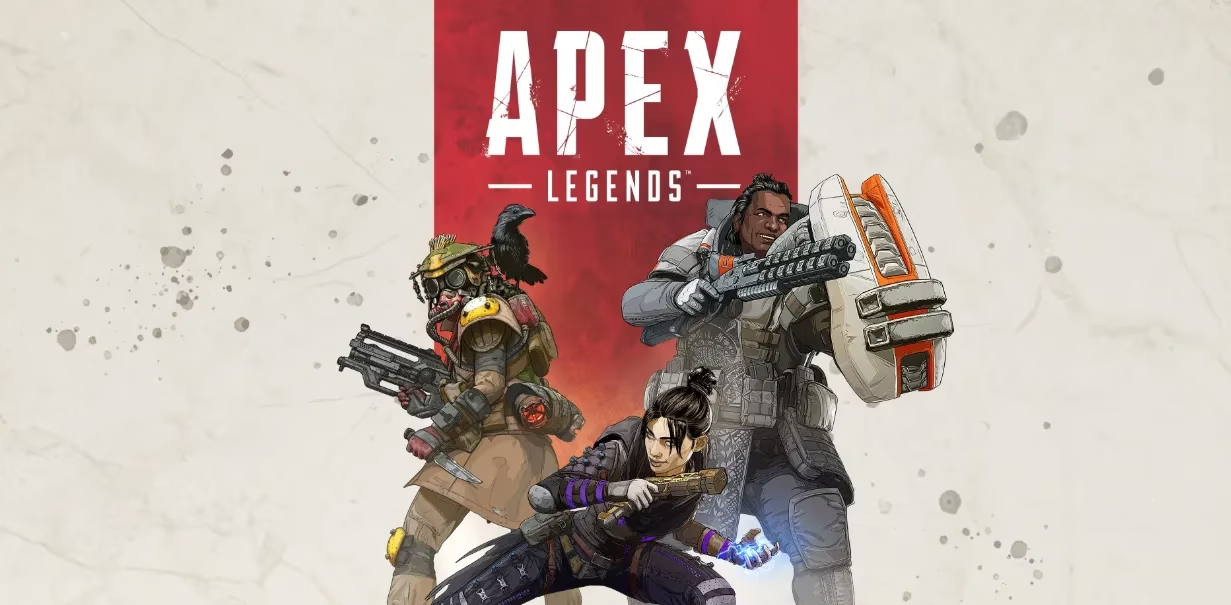
A Scoreboard That Spoke Loudly
Respawn CEO Vince Zampella had already announced that Apex Legends passed 1 million players a day earlier. During the investor call, Wilson went further: the free-to-play shooter had reached 2.5 million unique users across PC, PS4, and Xbox One in less than 48 hours. He described more than 2.5 million unique users in the first 24 hours and said the title was “trending fast towards 3 million users.”
That is not exactly a quiet debut. The game didn’t tiptoe into the market; it barged in. ⚡
| Launch signal | Reported figure | Why it mattered |
|---|---|---|
| Unique users | 2.5 million | Reached across PC, PS4, and Xbox One in under 48 hours |
| Player milestone | 1 million | Announced by Zampella before EA’s investor update |
| Peak concurrent users | About 600,000 | Measured in the middle of Tuesday |
| Simultaneous matches | About 10,000 | Estimated from the concurrent player peak |
Wilson told investors that the response had been “very, very strong” and that player sentiment seemed “very, very high.” The concurrent figure was especially telling: around 600,000 users were playing at the same time, which translated to roughly 10,000 matches running simultaneously earlier that day. Players were clearly not just window-shopping. 🎮
A Surprise Release With a Titanfall Backbone
By now, the rollout is part of the legend. Apex Legends was leaked after an influencer event, confirmed by Zampella on Super Bowl Sunday, fully unveiled during a livestream, and released on Monday. That compressed timeline gave the game a jolt of momentum that most publishers spend months trying to manufacture.
The battle royale bandwagon was already rolling in 2019, yet Apex Legends arrived without two of the Titanfall series’ most recognizable staples: titans and wallrunning. Even so, the reception was fairly positive, and the player counts backed up the enthusiasm. Respawn’s squad-based approach, set inside a familiar universe, gave the genre a different flavor without demanding that fans forget where the studio came from.
For Titanfall loyalists, EA also left a door open. The company said another “experience” set in the Titanfall universe was poised to arrive sometime over the next fiscal year, even though several Respawn developers had said they were not working on Titanfall 3. At the time, that was enough to keep speculation alive. In 2026, the context looks different, but the signal was clear: EA and Respawn were not done with that universe.
Why the Launch Still Matters
The 2026 battle royale market is crowded, and launch metrics alone no longer guarantee a decade of dominance. Still, the early Apex Legends numbers remain a useful benchmark. A surprise release, a free-to-play model, strong word of mouth, and a clear studio identity can move faster than traditional marketing calendars.
EA’s Q3 report briefly mentioned Apex Legends, but the investor Q&A did the heavy lifting. Wilson’s comments framed the game as an early success with room to grow, while Zampella’s player-count update gave the community a concrete milestone to rally around. The title was available on PC, PS4, and Xbox One, and it was free—a detail that made trying it almost frictionless.
That combination mattered. A game can have a loud debut and still fade; Apex Legends had the louder start and, at least in those first days, the engagement to match. The battle royale race was already fierce, but Respawn’s entry made it clear that a shadow drop could still land like a thunderclap. 💥
In 2026, the launch story is history, but it is not stale history. It is a reminder that speed, access, and a recognizable world can still create a moment—and that the first 48 hours can tell the industry plenty, even if the full story takes years to write.
Comments